Newsletter Subscribe
Enter your email address below and subscribe to our newsletter
Enter your email address below and subscribe to our newsletter

 ByJohn A
Comparing dust test chambers across manufacturers often means wading through a list of technical specifications that aren’t always intuitive at first glance. This guide breaks down what the key numbers actually mean for your testing outcomes.
Measured in cubic feet or liters, this figure determines how large a specimen, or how many specimens simultaneously, the chamber can accommodate while maintaining proper airflow and dust distribution.
See Also:How to Start a Business with Limited Capital
Expressed typically in grams per cubic meter, this specification indicates the range of dust density the chamber can generate and maintain, which should align with the specific concentration required by your testing standard.
This figure reflects how effectively the chamber keeps dust particles suspended and evenly distributed throughout the test volume, directly affecting test consistency and repeatability.
Many testing standards require negative internal pressure within the test specimen itself, making a chamber’s rated vacuum capability an important specification for standards requiring this worst-case ingress simulation.
Some dust testing protocols combine particulate exposure with specific temperature conditions, making a chamber’s temperature range and control precision relevant depending on your specific testing requirements.
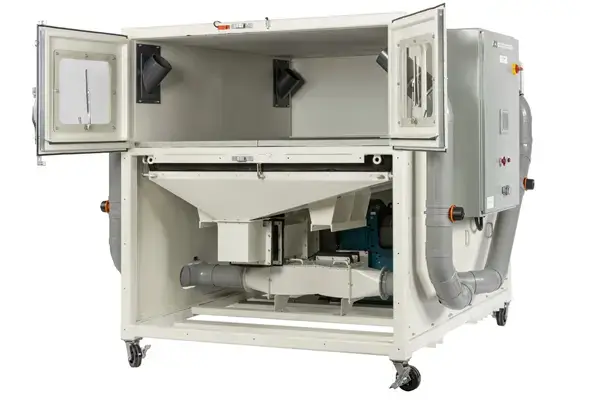
For a closer look at how these specifications compare across available chamber models, LIB Industry dust test chambers offers additional detail worth reviewing.
Two chambers with similar overall dimensions can perform very differently based on air circulation design and dust concentration control, making it important to look beyond size alone when comparing options.
Beyond published specifications, asking manufacturers for real-world performance data or references from similar testing applications can offer valuable insight beyond spec sheet numbers alone.
What dust concentration range is typically required for standard IP testing? This varies by specific standard, making it important to confirm the exact requirement for your testing protocol before comparing chamber specifications.
Why does air circulation rate matter more than raw chamber size? Even a large chamber with poor circulation can produce inconsistent dust distribution, undermining test reliability regardless of its overall dimensions.
Is vacuum capability necessary for all dust testing applications? Not for every protocol, but standards requiring worst-case ingress simulation typically do require this capability, making it worth confirming against your specific testing needs.
Understanding what dust test chamber specifications actually mean for real-world testing outcomes helps buyers move beyond surface-level comparisons toward equipment genuinely suited to their needs. Careful specification review pays off in more reliable, meaningful test results.