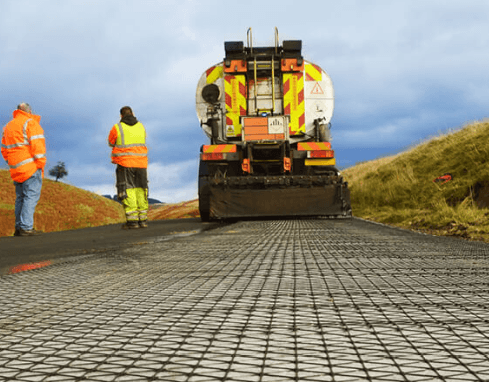

With various geogrid for roads products available on the market, understanding how they differ and which characteristics matter most for specific road applications helps transportation engineers and contractors make more informed specification decisions.
Why Product Selection Genuinely Matters
Not every geogrid product suits every road application equally well, since factors like grid strength, aperture size, and overall material construction affect performance differently depending on your specific soil conditions, expected traffic loads, and the particular pavement issues your project aims to address.
Comparing Uniaxial and Biaxial Grid Types
Geogrid products generally come in uniaxial designs, offering strength primarily in one direction, or biaxial designs, providing more balanced strength across multiple directions, with appropriate selection depending on whether your specific application experiences more directional or multi-directional stress patterns.
Evaluating Grid Aperture Size
The size of openings within the grid structure affects how well it interacts with surrounding aggregate material, making aperture size a genuinely important specification consideration relative to the specific base material your road construction project will use alongside the geogrid reinforcement.
Matching Product Strength to Traffic Loads
Roads experiencing heavier or more frequent traffic loading generally require geogrid for roads products with correspondingly higher strength ratings, making traffic load assessment a genuinely important input into appropriate product selection for any specific project.
Considering Long-Term Durability Requirements
Since road reinforcement is typically expected to perform for the pavement’s entire service life without replacement, material durability and resistance to long-term degradation under buried conditions deserve careful consideration alongside immediate strength specifications.
Engineers and contractors researching product options can find detailed comparisons through this resource on geogrid for roads applications and specification guidance.
Consulting Manufacturer Testing Data
Reputable geogrid manufacturers typically provide detailed testing data supporting their product’s performance claims, making it worth reviewing this documentation directly rather than relying solely on general marketing descriptions when making final specification decisions.
Balancing Cost Against Performance Requirements
While higher-specification geogrid products generally command higher prices, this investment should be weighed against your project’s genuine performance requirements, since over-specifying beyond what your particular application actually needs adds cost without proportional benefit.
See also: How to Start a Business with Limited Capital
Final Thoughts
Comparing geogrid for roads products thoughtfully, based on genuine understanding of grid type, aperture size, and strength requirements matched to your specific project conditions, helps ensure appropriate specification that delivers genuine long-term pavement performance value.
Frequently Asked Questions
Should I always choose the highest-strength geogrid product available?
Not necessarily, appropriate specification should match your project’s actual traffic loads and soil conditions rather than defaulting to maximum available strength regardless of genuine need.
How does aperture size affect geogrid performance?
It affects how well the grid interacts with surrounding aggregate material, making this specification worth matching to your specific base material choice.
Is manufacturer testing data reliable for comparing different products?
Generally yes for reputable manufacturers, though it’s worth understanding testing methodology to ensure fair comparison across different products you’re evaluating.